

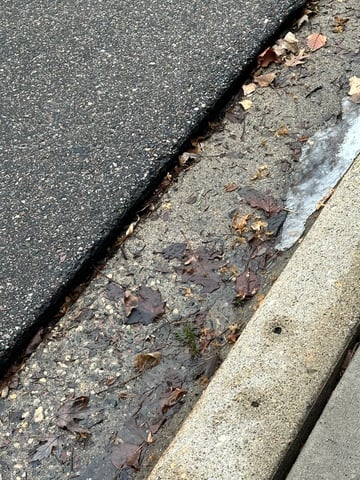
What Homeowners Should Know About Frost Heave Before Building a New Garage
If you live in Minnesota, you have probably seen the effects of frost heave even if you did not know the term. Pavement lifts, cracks open, edges shift, and surfaces that looked level in summer can move noticeably after winter. Around detached garages, frost heave can affect driveways, garage aprons, slabs, walkways, and nearby exterior concrete.
For homeowners planning a new garage in Minneapolis–St. Paul, frost heave is not just a winter nuisance. It is one of the main reasons site preparation, base work, drainage, and proper construction methods matter so much in our climate.
At Western Construction, we build detached garages for Minnesota conditions. That means paying attention to the soil, the grade, the drainage, and the concrete details that help a new garage perform better through repeated freeze-thaw cycles.
What Is Frost Heave?
Frost heave happens when moisture in the ground freezes, expands, and pushes soil and surfaces upward. As temperatures change and the ground thaws, those areas may settle back unevenly. Over time, that repeated movement can lead to:
- Cracked or uneven concrete
- Lifted garage aprons or driveway sections
- Separation between asphalt, concrete, and curb edges
- Trip hazards near garages and walkways
- Drainage problems that make future movement worse
Minnesota is especially prone to frost heave because of our deep frost, wet spring conditions, and repeated freeze-thaw cycles.
Why Frost Heave Matters for Garage Construction
When homeowners think about building a new detached garage, they often focus on size, appearance, doors, siding, and storage. Those are important, but the long-term performance of the project also depends on what is happening below the surface.
If the ground under or around a garage is poorly prepared, holds water, or includes unstable material, frost movement can increase the risk of:
- Concrete cracking sooner than expected
- Settlement or movement at the apron and driveway connection
- Water collecting near the slab or garage walls
- Difficult transitions between old and new surfaces
- Extra maintenance and repair costs later
That is why proper construction in Minnesota is about more than just pouring concrete. It starts with understanding how the site behaves through the seasons.
Common Signs of Frost Heave Around a Home
Some signs are obvious in late winter or early spring, while others become more noticeable over several seasons. Homeowners may see:
- Asphalt or concrete lifted above adjacent surfaces
- Gaps forming where pavement meets a curb, apron, or slab edge
- Cracks in driveways, garage floors, or sidewalks
- Low spots where meltwater or rain collects
- Uneven transitions at the garage entry
If you are planning to replace an old garage or install a new slab and driveway, these signs are worth paying attention to before construction begins.
What Causes Frost Heave to Get Worse?
Frost heave is usually more severe when several conditions come together:
- Excess moisture in the soil
- Poor drainage
- Improper base preparation
- Soils that retain water
- Repeated winter freeze-thaw cycles
In practical terms, that means a site that does not shed water well is often more vulnerable. Downspouts, yard slope, neighboring hardscape, and the condition of the existing driveway can all play a role.
How Good Garage Construction Helps Reduce Frost-Heave Problems
No contractor can stop Minnesota winter, but good planning and construction methods can help reduce the risk of future movement and moisture-related problems. For detached garage projects, that often includes:
- Evaluating the site and existing grade
- Removing unsuitable material where needed
- Installing and compacting a proper base
- Planning for drainage away from the garage
- Building concrete and apron transitions with Minnesota conditions in mind
For homeowners, the key point is this: what happens before the garage is built affects how the garage performs after it is built.
Why Spring Is a Good Time to Evaluate Your Site
Spring is one of the best times to spot drainage and frost-heave issues because the evidence is easier to see. Snowmelt and thaw often reveal:
- Where water collects
- Where soil has shifted
- Which pavement edges have lifted or separated
- Whether existing concrete has settled or cracked
If you are thinking about a new garage this season, a spring site review can help identify conditions that should be addressed before construction starts.
Planning a New Garage in Minneapolis–St. Paul?
If your property already shows signs of frost movement, that does not necessarily mean you cannot build. It does mean the project should be approached carefully, with attention to the site, drainage, base preparation, and concrete work.
At Western Construction, we help homeowners throughout the Minneapolis–St. Paul area plan detached garage projects with local conditions in mind. From demolition and permitting to concrete, framing, roofing, and garage doors, our process is built around the realities of building in Minnesota.
Learn more about our detached garage construction services or contact Western Construction to discuss your project.
Final Thoughts
Frost heave is one of the reasons Minnesota garage construction requires more than a one-size-fits-all approach. Soil movement, drainage, and freeze-thaw conditions can all affect how your garage and concrete perform over time.
If you are planning a new garage, replacing an older structure, or looking at an uneven driveway or apron this spring, now is a good time to evaluate the site and make sure the next step is done right.
Get a Quote for a New Detached Garage
Western Construction has been helping Twin Cities homeowners build detached garages designed for Minnesota conditions since 1949. If you are planning a new garage in Minneapolis, St. Paul, Richfield, Bloomington, St. Louis Park, or nearby communities, we are ready to help.
Request a quote or call (952) 920-8888 to start planning your project.